When a HIPAA-Compliant Partner Stops the Clock on Breach Damage
A cyber-attack does not care about long weekends or holiday plans. For healthcare and health-adjacent organizations, the wrong click right before a holiday can turn into days of silent damage when no one is watching the network.
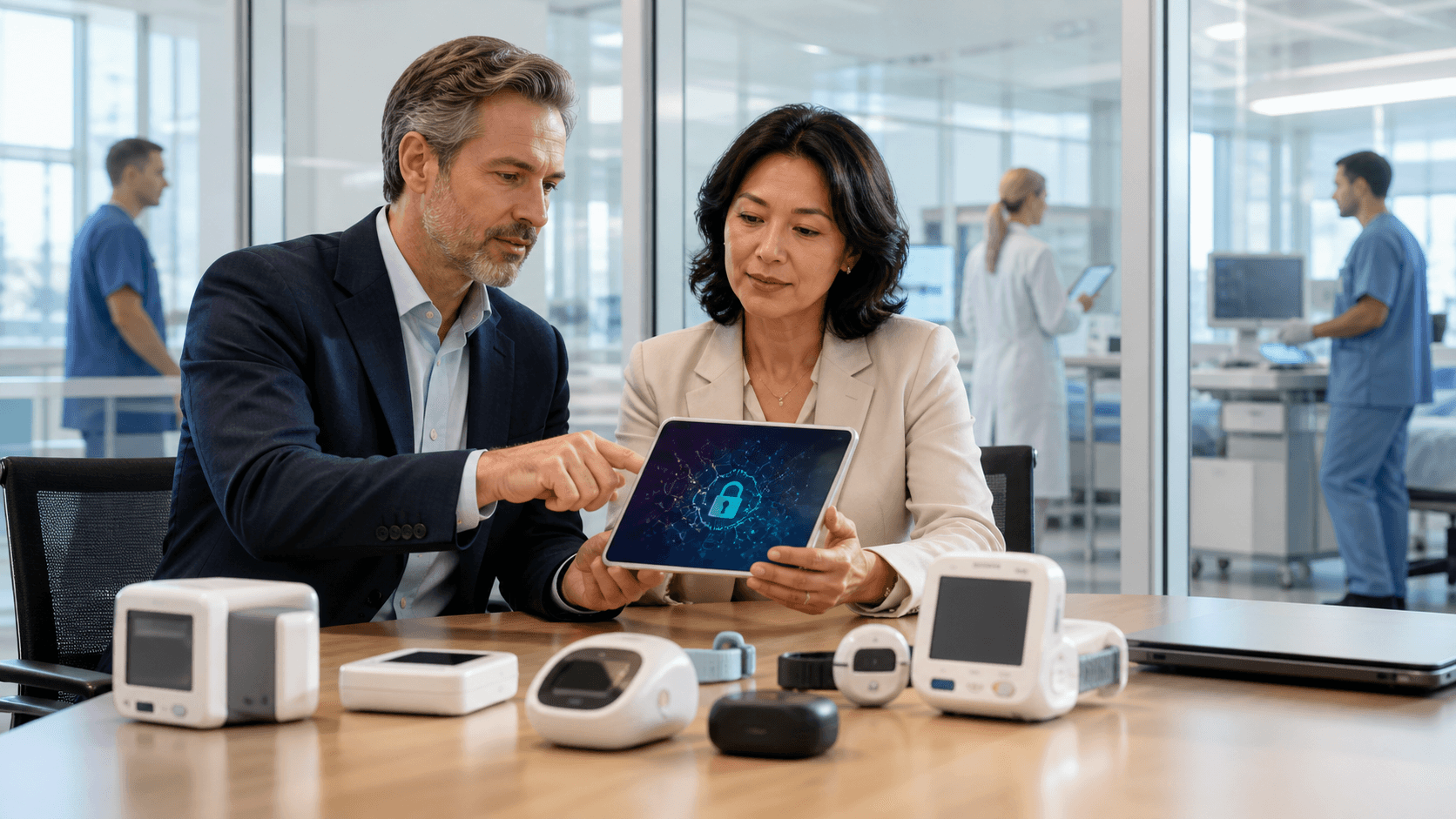
Picture a mid-sized healthcare group, clinics across town, a small IT team, and everyone trying to wrap up before the July 4th weekend. Late at night, an attacker tries to use stolen credentials to get into systems that touch protected health information, or PHI. A HIPAA-aware 24/7 SOC sees odd login behavior, flags it in seconds, and locks things down before anything sensitive moves. That is the kind of moment we care about, when the right partner stops a breach cold and keeps it out of the news.
In this post, we walk through how HIPAA-compliant managed IT services help stop attacks early, shrink regulatory risk, and keep mid-market organizations safer, even when there is no full security team in-house.
The Hidden Gaps That Make Healthcare Organizations Breach-Prone
Many clinics, specialty practices, and health tech vendors grow fast, but security does not always keep up. Over time, small cracks turn into a big opening point for attackers.
Common weak spots often include:
- Legacy EHR or practice management systems that cannot easily be patched
- Flat networks where workstations, servers, and medical devices sit in the same space
- Unmanaged laptops and tablets used in exam rooms, at home, or on the road
- Shadow IT from quick telehealth rollouts, like unapproved apps or cloud tools
On the people side, the story is just as risky. Many mid-sized organizations rely on:
- One or two IT generalists handling everything from printers to cloud servers
- No dedicated security engineer or analyst watching alerts full time
- Little or no after-hours coverage, especially on weekends and holidays
- An incident response plan that lives in a file, not in daily practice
Summer can quietly raise HIPAA risk too. Staff vacations lead to more temp workers and cross-coverage. Phishing emails about travel, time-off approvals, and open enrollment hit inboxes at the same time. When attention is split, that is when a single bad link can slip through.
Inside a Breach That Never Hit the Headlines
Now let us walk through a realistic breach attempt that never turned into a full-blown incident.
Think about a mid-market healthcare group with:
- Several clinics and specialty practices sharing a cloud-based EHR
- Remote staff handling scheduling and follow-up
- Third-party billing providers logging in from outside the office
- A small internal IT team, but no 24/7 security staff
An attacker sends a phishing email to a billing staff member late in the afternoon before a holiday. The message looks like a routine benefits update. The staff member enters credentials into a fake login page. The attacker now tries to use those credentials to get into cloud apps that may connect to PHI.
From there, the attack chain can escalate:
- Suspicious logins from a new country start popping up at odd hours
- The attacker tests those credentials against VPN and EHR access
- They probe network file shares where PHI and reports are stored
- They test what they can download and what controls stand in the way
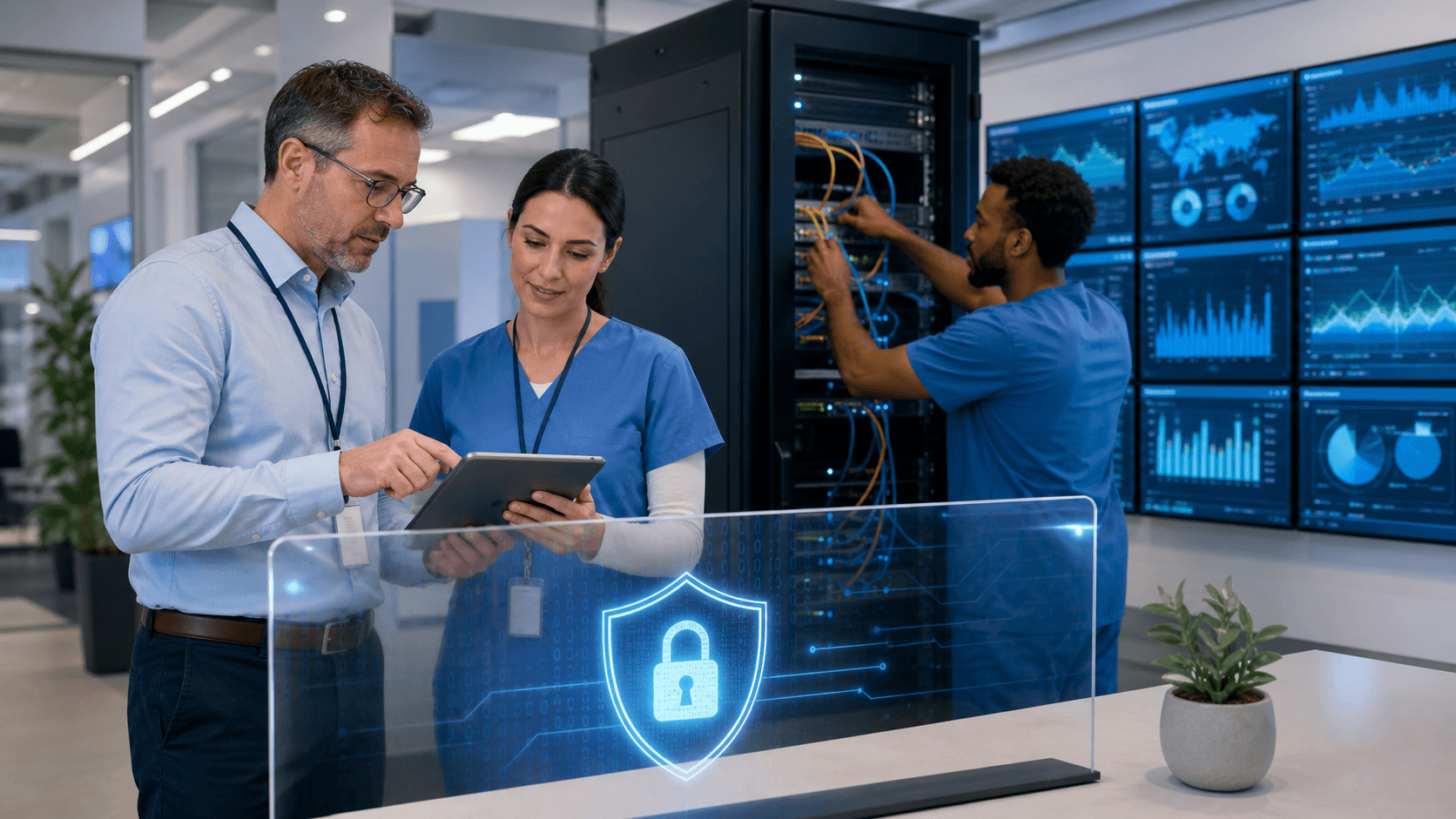
Here is where a HIPAA-aware 24/7 SOC changes the story. In the middle of the night, say 1:13 a.m., monitoring tools see:
- Logins from locations that do not match usual patterns
- Repeated access attempts to folders that user accounts do not typically touch
- Large data queries starting to run outside normal business hours
The SOC automatically:
- Flags the behavior as high-risk
- Isolates the compromised account from sensitive systems
- Blocks suspicious IP addresses from future access
- Starts forensic triage and prepares a clear report for internal IT and compliance,
By the time staff arrive after the holiday, the attack path is closed, the event is documented, and PHI has stayed put.
How HIPAA-Compliant Managed IT Services Contain Threats Fast
HIPAA-compliant managed IT services are not just help desk support with a security label. They are built around PHI, regulatory expectations, and the understanding that data and care are tightly linked.
A strong HIPAA-focused partner will commit to:
- Signing and honoring business associate agreements (BAAs)
- Documented security controls that match how PHI actually flows
- Monitoring tuned to PHI systems, not just generic network gear
- Policies and procedures that align with the HIPAA Security Rule standards
Under the hood, fast containment usually depends on layers working together:
- Continuous log monitoring across cloud apps, EHR, VPN, and endpoints
- AI-assisted anomaly detection to spot strange logins and access patterns
- Endpoint isolation so risky devices are cut off quickly
- Strong identity and access management, including least privilege and MFA
- Clear escalation playbooks that wake the right people when the SOC sees trouble
The payoff is practical: less time between first malicious action and detection, less chance that PHI is accessed, stronger readiness if regulators ask questions, and fewer blown clinic days due to locked systems or ransomware cleanup.
Turning HIPAA Rules Into Everyday Security Guardrails
HIPAA can feel like a set of rules that sit on a shelf. The real power comes when those rules turn into daily habits and tools in the background.
Key Security Rule areas map neatly into managed service work:
- Access control: role-based access, MFA, and regular access reviews
- Audit logging: complete trails of who did what, where, and when
- Integrity controls: checks to catch tampering or odd edits to records
- Transmission security: strong encryption and safe remote access methods
Compliance readiness and governance services help make sure:
- Policies reflect how staff actually work, not just ideal workflows
- Risk assessments are updated when tech or processes change
- Security awareness training matches real phishing and social engineering tactics
As more healthcare tools use AI, another layer appears. AI governance for healthcare means:
- Keeping close track of which AI tools see PHI
- Making sure data going into AI systems is protected and logged
- Watching for new risks, like staff pasting PHI into unapproved chat tools
Done well, AI helps detect threats and speed up response without adding new blind spots.
A Mid-Year Security Tune-up for Healthcare and Health Tech
Early summer is a smart moment to pause and tighten defenses. Schedules may ease a bit on some Fridays, and there are often short weeks around holidays. That space is perfect for security tune-ups.
A focused mid-year checklist could include:
- Confirming that off-hours monitoring is active and tested
- Running a quick tabletop drill on how the team would handle a suspected PHI breach
- Reviewing user access, especially for seasonal staff and contractors
- Testing backups and recovery for key systems like EHR and billing
- Checking that vendor and third-party access still makes sense
For organizations across the United States, including those in hot, stormy regions where summer outages are common, this is also a good time to think about power events, network failures, and how they mix with security. Managed HIPAA-compliant services let small internal teams stay focused on patient care, new projects, and user support, while a dedicated security partner handles the day and night watch.
Lock in Year-Round Protection Before the Next Holiday Surge
Attackers do not wait for budget cycles, hiring plans, or vacation calendars. The next wave of phishing or ransomware could come right before Labor Day, during flu season, or on the quiet Sunday when no one expects anything.
For mid-market healthcare and health-adjacent organizations that cannot staff a full internal security team, HIPAA-compliant managed IT services deliver a safety net: round-the-clock SOC coverage, PHI-aware monitoring, compliance readiness, and AI governance that matches real regulatory pressure. At EFROS, we built our services around those needs, supporting regulated organizations that still want to move fast without giving up safety.
When the next attempted breach hits, the goal is simple: it should be stopped cold, contained quickly, and documented cleanly, so your teams can keep doing what they do best, caring for patients and growing the organization with confidence.
Protect Patient Data With Expert HIPAA-Compliant IT Support
Strengthen your security posture and reduce compliance risks with our specialized HIPAA-compliant managed IT services. At EFROS, we design and manage IT environments that keep sensitive health information protected and available when you need it. If you are ready to modernize your infrastructure while staying aligned with regulatory requirements, we are here to help. Reach out to contact us and schedule a conversation with our team today.